Spanish colonial silver coins, including pieces of eight and hand-cut cobs, are high silver and often worth far more than their metal to collectors. Mint, date, ruler and condition set the price, and genuine shipwreck coins can carry an extra premium when their history is documented.
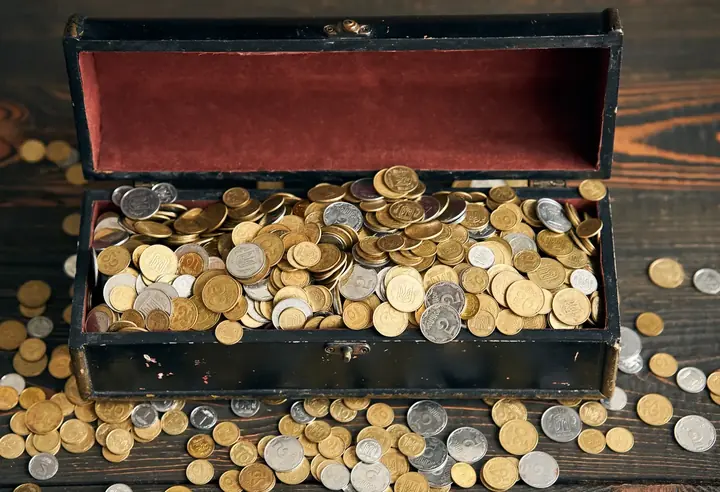
What a piece of eight is
The 8 reales was the big silver coin of the Spanish Empire, struck at mints in Mexico City, Lima, Potosí and elsewhere from the 1500s into the 1820s. It traded around the world and was legal tender in the United States until 1857. Smaller denominations of 4, 2, 1 and half reales were struck too.
Cobs and milled coins
Early coins were cobs: rough, irregular pieces cut from a silver bar and hammered between dies. From the 1730s, mints switched to round, milled coins with even edges. The famous pillar dollars show two columns and two globes, and later portrait coins show the Spanish king.
Florida and the treasure fleets
Spanish treasure fleets sailed up the Florida coast on their way home, and storms sank several of them, including the 1715 Fleet off what is now called the Treasure Coast. Coins from those wrecks have been salvaged and sold for decades, and some ended up in Northeast Florida families.
Shipwreck coins are often worn or corroded by the sea. Documented coins with certificates from the salvage company can sell for more than undocumented ones.
What sets the price
Collectors look at the mint, the date, the assayer's initials, the ruler and how much of the design is visible. A cob with a clear date and full shield is worth far more than one with a worn, partial strike.
- Mint mark and date
- Clarity of the cross and shield
- Weight and completeness
- Shipwreck history and paperwork
- Signs of cleaning or harsh restoration
A few more answers
Are pieces of eight real silver?
Genuine ones are high silver. Many souvenir copies exist, so we test every coin.
Should I clean a shipwreck coin?
No. Cleaning can lower its value. Bring it as it is.
When you are ready: Silver coins, dollars and sterling