Start with the stamp: marks like 10K, 14K, 585 or 750 mean the piece claims to be gold. A magnet test can rule out some fakes. Only proper testing, by acid or electronic tester, confirms gold and its purity, which is why a good buyer tests in front of you.
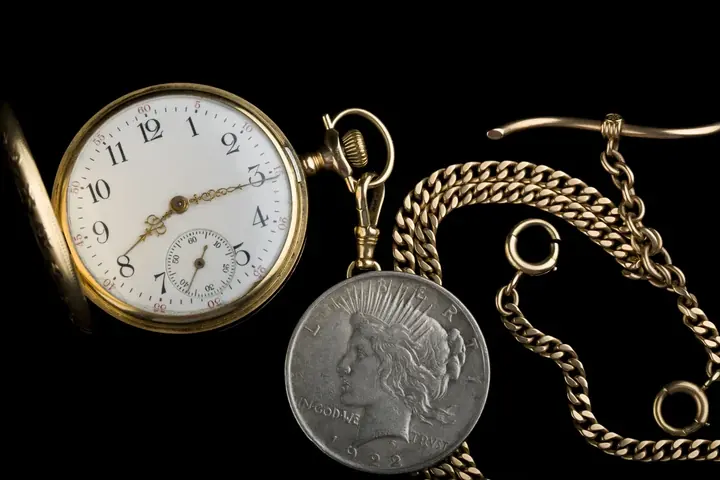
Look for a stamp
Most gold jewelry carries a small stamp inside a ring band or near a clasp. American pieces say 10K, 14K or 18K. Many foreign pieces use numbers instead: 375 for 9 karat, 585 for 14 karat, 750 for 18 karat and 916 for 22 karat.
Stamps that mean less gold
Some marks mean the piece is not solid gold.
- GF or Gold Filled: a thin layer of gold over brass
- GP, GEP or HGE: gold plated
- RGP or Rolled Gold Plate: a thin bonded layer
- 1/20 12K and similar: gold-filled, not solid
The magnet test
Gold is not magnetic. If a strong magnet grabs a piece, it is not solid gold, though the clasp spring might be steel. A piece that does not stick is not proven gold, because many other metals are not magnetic either.
Why testing matters
Stamps can be wrong, worn off or faked. Acid testing and electronic testers confirm whether a piece is gold and how pure it is. A buyer who tests in front of you, and shows you the result, is a buyer you can check.
A few more answers
Can I bite gold to test it?
Please do not. It proves nothing and can damage the piece.
Is unstamped gold real?
It can be, especially older or foreign pieces. Testing is the only way to know.
When you are ready: Gold jewelry and scrap